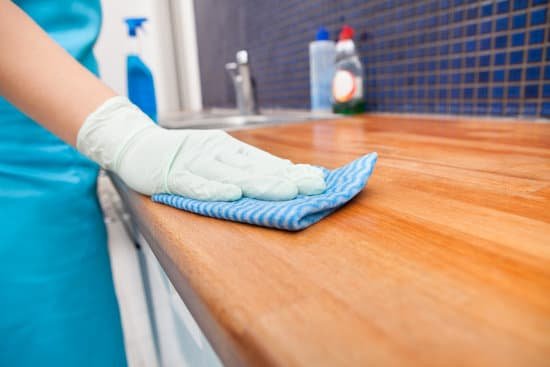
Short answer: To remove rust stains from a kitchen countertop safely, first work out what the countertop is made of, remove the rusty object that caused the mark, and start with the gentlest option — warm water, a little mild dish soap, and a soft cloth. If the stain remains, move to a method that is confirmed safe for your material, such as a cleaner approved by the surface manufacturer or a rust remover labelled for that surface, spot-test first, and rinse and dry the area afterwards. Never assume a popular DIY method is safe for every countertop: acids such as vinegar and lemon juice can permanently etch marble, limestone, travertine and other acid-sensitive stone, and abrasive tools such as steel wool and sandpaper can scratch or dull most finished surfaces.
Rust marks are frustrating, but many surface stains can be lifted without aggressive scrubbing when the method matches the material. This guide walks through the safe order to work in, the material-specific methods, what to avoid, and how to stop the stain coming back. For more kitchen care guides, see Home Kitchen World.
What Causes Rust Stains on Kitchen Countertops?
Rust forms when iron or steel is exposed to oxygen and moisture. Most countertops are not made of iron or steel, so a rust stain is usually transferred from something sitting on the surface rather than coming from the countertop itself.
Common sources include:
- Cast-iron pans and trivets left sitting on a damp surface
- Rusty cans, racks, containers, and appliance bases
- Utensils and wet cookware left in place
- Iron-rich water or mineral deposits around the sink and faucet
A wet cast-iron pan left overnight, for example, can leave an orange or brown ring by morning. Whatever the source, the first step is always the same: identify it and remove it, or the stain will return no matter how well you clean it.
How to Identify a Rust Stain on Your Countertop
A rust stain is usually easy to recognise. Look for:
- Orange, reddish-brown, or brown marks
- Circular rings or the outline of the object that sat there
- Irregular orange patches near a sink, faucet, or appliance
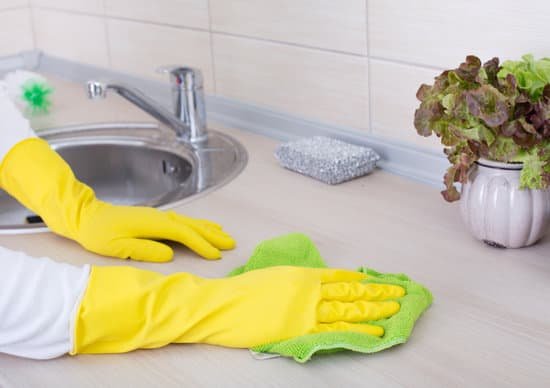
If the mark follows the shape of a metal object that was sitting on the counter, it is very likely transferred rust. Identification matters because the next decision — which method is safe — depends entirely on the countertop material. A method that is fine on stainless steel may permanently damage marble or another natural stone.
Before You Remove Rust From Your Countertop
Work through these five checks before you apply anything to the stain:
1. Identify the Countertop Material
Know whether you are dealing with quartz, granite, marble or another natural stone, laminate, porcelain or ceramic, or stainless steel. If you are not sure, check any paperwork from the installer or ask the fabricator before using anything stronger than soap and water.
2. Check the Manufacturer’s Instructions
Countertop manufacturers and fabricators publish care guidance for their surfaces, and it overrides general internet advice. If the manufacturer says a product must not be used on your surface, do not use it on a stain.
3. Test the Cleaner First
Apply any new cleaner or remover to a small, inconspicuous area first, following the label’s contact time, then rinse and check for dulling, discoloration, or damage before using it on the stain.
4. Start With the Gentlest Method
Begin with mild dish soap, warm water, and a soft cloth. Only move to a stronger method if the gentle one does not work — and only to a method confirmed safe for your material.
5. Avoid Aggressive Scrubbing
Steel wool, sandpaper, wire brushes, and harsh scouring pads can scratch, dull, or permanently alter a finished surface. On stone and stainless steel, steel wool can also leave behind tiny iron particles that later rust and create new stains.
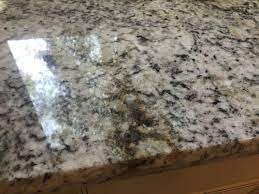
Step by Step: Start Gentle, Then Escalate Carefully
- Remove the source. Take the rusty object off the counter and clean the area so you can see the full stain.
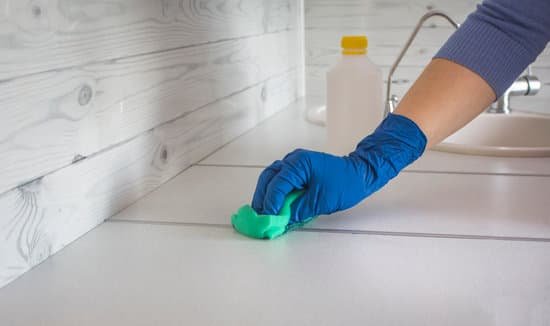
- Wash the area. Wipe the stain with warm water, a few drops of mild dish soap, and a soft cloth or non-scratch sponge. Rinse with clean water and dry. Light, fresh marks sometimes lift at this stage.
- Use a manufacturer-approved stain treatment if needed. Where the surface manufacturer supports it — for laminate, for example, Formica’s care guidance uses a baking soda and water paste, applied without rubbing — follow that guidance exactly. For natural stone, do not treat baking soda as the standard rust remedy: rust on stone needs the poultice approach described in the stone sections below, based on a suitable commercial rust remover, and professional guidance is often the safer route. Do not improvise stronger chemical mixtures.
- Use a material-specific remover if needed. If the stain remains, use a rust remover or cleaner that is specifically labelled as safe for your countertop material, exactly as the label directs, after a spot test.
- Rinse and dry thoroughly. Residue left behind can dull the surface or attract dirt. Dry the area fully so you can judge the true result.
- Repeat gently, or stop. If the stain is visibly lighter, repeating the same gentle method can help. If it does not improve, do not escalate to harsher chemicals or abrasive tools — that is the point to follow the professional guidance below.
How to Remove Rust From Different Countertop Materials
There is no single rust method that is safe for every countertop. Use the section for your material.
How to Remove Rust From Quartz Countertops
Remove the rusty object, then wash the area with mild dish soap and warm water using a soft cloth. If a mark remains, use a cleaner labelled safe for quartz, after a spot test, with a small amount and limited contact time. Rinse well and dry.
Follow the care instructions for your exact quartz brand, because restrictions vary by manufacturer. In general, strong acids and alkalis, harsh chemicals such as oven or drain cleaners, and abrasive cleaners can damage engineered quartz, dulling the finish or causing permanent discoloration — and some manufacturers, including Cambria, specifically prohibit bleach. Many general rust removers contain acids, so only use one on quartz if your brand’s guidance allows it or it is explicitly labelled safe for quartz. Sealers and polishes are not a fix for a stain.
How to Remove Rust From Granite Countertops
Start with a pH-neutral cleaner or mild dish soap and water and a soft cloth. If the stain has soaked in, basic cleaning is unlikely to be enough on its own. The Natural Stone Institute treats iron and rust stains on natural stone as a poultice job: the poultice combines an appropriate commercially available rust remover with a suitable absorbent material to draw the stain out as it dries, following the product’s instructions. Do not improvise strong poultice chemicals at home. If you are not confident doing this, or the stain is deep, follow your fabricator’s or stone supplier’s guidance, or use a stone-safe rust-removal system or a stone professional.
Take care with rust removers around granite: some cleaners and rust removers can damage granite, its sealer, or its finish, and the Natural Stone Institute warns that some commercial rust removers containing aggressive acids such as HF can attack even granite and quartzite. Rather than relying on household acids such as vinegar or lemon juice, follow the guidance for your stone from the fabricator or supplier, spot-test any product first, and avoid abrasive pads, which can dull the finish. Whether the treated area needs resealing depends on your stone and its existing sealer — it is not automatic. Once the surface is fully dry, follow the fabricator, stone supplier, or sealer manufacturer’s guidance on that point.
How to Remove Rust From Marble and Other Acid-Sensitive Stone
Marble, limestone, and travertine react with acids, so the rules here are stricter. Clean gently with a pH-neutral stone cleaner or mild soap and water. For a set-in rust stain, the Natural Stone Institute’s approach for iron stains on natural stone is a poultice made with an appropriate commercially available rust remover and a suitable absorbent material — not a homemade baking soda poultice, which the Institute lists for oil-based stains rather than rust. Use only a rust-removal product or system intended for acid-sensitive stone, exactly as directed and after a spot test, and do not improvise strong poultice chemicals. Manufacturer, fabricator, or stone-professional guidance is the safer route for anything beyond basic cleaning.
Never use vinegar, lemon juice, or a general acid-based rust remover on these stones: the acid etches the surface, leaving a dull mark that is damage, not a stain, and can only be corrected by professional refinishing. Be aware that deep-seated rust in natural stone is extremely difficult to remove and may be permanent — if gentle methods do not improve it, a stone professional is the right next step, not a stronger acid.
How to Remove Rust From Laminate Countertops
Wash first with warm water, mild detergent, and a nonabrasive cloth. For a stubborn stain, Formica’s care guidance is to apply a paste of baking soda and water and leave it on the area to draw the stain out, then wipe it up with a clean, damp, nonabrasive cotton cloth — without rubbing, because the paste is slightly abrasive — and rinse clean with water.
Do not use rust removers, chlorine bleach, oven, drain, or toilet bowl cleaners on laminate: the laminate manufacturer lists products containing acid, alkali, or sodium hypochlorite — rust removers included — as able to permanently damage the decorative surface. Abrasive pads, steel wool, and scouring powders can also dull the finish and make future staining worse. Always finish by rinsing and drying.
How to Remove Rust From Porcelain and Ceramic Countertops
Glazed porcelain and ceramic are comparatively stain-resistant, so start with warm water, mild detergent, and a soft cloth or non-scratch sponge. Rinse and dry afterwards. For a mark that does not lift with basic cleaning, use a cleaner or method approved by the surface manufacturer for porcelain or ceramic, rather than assuming a household paste is approved for your specific surface. Avoid steel wool and harsh abrasive pads, which can dull a glazed finish, take care around grout lines and edges, and if you consider a commercial rust remover, confirm on the label that it is suitable for porcelain or ceramic and spot-test it first.
How to Remove Rust From Stainless Steel Countertops
Wash with mild dish soap and warm water using a microfiber cloth, working in the direction of the grain, then rinse and dry fully — standing water is itself a common cause of new rust marks on stainless steel. A stainless-steel cleaner can be used when necessary, following its label.
Do not use steel wool or harsh pads: they scratch the finish and can leave iron particles behind that rust again. Avoid leaving wet cast iron, steel cans, or other metal objects sitting on the surface, especially around the sink.
Vinegar, Lemon Juice and Baking Soda: What They Can and Can’t Do
These three household staples come up in almost every rust-removal tip, so it is worth being precise about them.
Can You Use Vinegar to Remove Rust From a Countertop?
Vinegar is acidic, and acid can loosen rust on some hard, acid-tolerant surfaces. It is not a safe general countertop method. Acids such as vinegar and lemon juice can etch marble, limestone, travertine, and other acid-sensitive, calcium-based stone. They can also permanently damage laminate, and quartz owners should follow their own brand’s care instructions rather than assuming an acidic cleaner is approved. For granite, do not treat vinegar as a recommended rust treatment: follow your stone or fabricator guidance instead, because some cleaners and rust removers can damage granite, its sealer, or its finish — the Natural Stone Institute even warns that some rust removers with aggressive acids such as HF can attack granite and quartzite. Do not use vinegar on a countertop rust stain just because it is a common DIY tip.
Can Lemon Juice Remove Rust From a Countertop?
Lemon juice is also acidic, so the same limits apply. It is not suitable for marble or other acid-sensitive surfaces, and it should not be used on stone, laminate, or quartz unless the manufacturer of your specific surface confirms it is safe. “Natural” does not mean gentler in this case — lemon juice and vinegar are acids, and on the wrong surface they cause damage faster than a purpose-made cleaner would.
Can Baking Soda Remove Rust From a Countertop?
It depends on the surface, and it is not the standard rust treatment for natural stone. Baking soda and water paste does have manufacturer support for laminate: Formica’s care guidance uses it to help draw stains out of laminate, applied without rubbing because the paste is slightly abrasive. For other materials, only use it where your surface manufacturer approves that method. On natural stone, the Natural Stone Institute distinguishes stain types: baking soda and water is its listed poultice for oil-based stains, while iron and rust stains require a poultice made with an appropriate commercial rust remover and a suitable absorbent material. So do not rely on a baking soda poultice to fix stone rust — use a stone-safe rust-removal approach and professional or fabricator guidance instead, and never scrub baking soda aggressively into any finish.
What Should You Avoid When Removing Rust?
Steel Wool
It scratches finished surfaces and can leave tiny iron particles behind, which can rust and create new stains — the opposite of what you are trying to achieve.
Sandpaper
Sanding a countertop can permanently alter or remove its finish. It is not a safe stain-removal method for a finished kitchen surface.
Wire Brushes
Wire brushes are too aggressive for most finished countertops and can scratch or dull the surface.
Harsh Abrasive Sponges and Scouring Powders
These can scratch and dull stone, quartz, laminate, and glazed finishes, and a dulled finish often stains more easily afterwards.
Strong Acids and General-Purpose Rust Removers
Acid-based rust removers made for metal tools or bathrooms can etch marble, limestone, travertine, and other acid-sensitive stone. Some cleaners and rust removers can also damage granite, its sealer, or its finish — the Natural Stone Institute warns that aggressive acids such as HF in some rust removers can attack even granite and quartzite. Strong chemicals can damage engineered quartz, and acid, alkali, and hypochlorite products can permanently damage laminate. Only use a rust remover that is labelled safe for your exact countertop material.
Unapproved Bleach Products
Bleach is not a universal rust remover. Formica lists sodium hypochlorite (bleach) products among those that can permanently damage laminate, and some quartz manufacturers — Cambria, for example — specifically prohibit bleach, while other brands’ rules vary. Do not use it unless your surface manufacturer approves it.
Mixing Cleaning Chemicals
Never mix cleaning products unless the manufacturer specifically says the combination is safe. Some combinations, such as bleach with ammonia or with acids, produce dangerous fumes. Use one product at a time, rinse between products, and follow the label.
How to Stop Rust Stains Coming Back
- Remove the source: a stain will return while the rusty pan, can, rack, or appliance base stays in place.
- Keep the countertop dry, especially around the sink and faucet, and dry metal items before setting them down.
- Put a mat, trivet, or tray under cast-iron cookware, metal canisters, and anything that may rust.
- Wipe up spills and standing water promptly rather than letting moisture sit on the surface or the object.
- If rust-coloured marks keep appearing in one wet area, check for iron-rich water or a corroding fixture, fitting, or appliance part — fixing that source prevents the stain at its cause.
For more on day-to-day kitchen surface care, see How to Clean the Kitchen Splashback: The Definitive Guide.
When to Contact the Manufacturer or a Professional
Stop the DIY escalation and get specialist input when:
- The rust stain is deep-seated in natural stone — these stains are extremely difficult to remove and may be permanent.
- The surface looks dull, rough, or lighter where a product touched it. That is likely etching or finish damage, which cleaning cannot reverse; stone may need professional refinishing or repolishing.
- The stain has not improved after gentle, material-safe attempts.
- You do not know the countertop material, or the manufacturer’s care guidance cannot be found.
- The staining source is built in — for example a corroding fixture or iron in the water supply.
Your countertop’s manufacturer or fabricator is the best first contact for product approval on a specific surface; a stone or surface restoration professional is the right contact for deep stains and etch damage.
Frequently Asked Questions
What Is the Easiest Way to Remove Rust From a Countertop?
The safest easy route is also the correct one: remove the rusty object, wash the area with mild dish soap and warm water and a soft cloth, and rinse and dry. If the mark remains, use a method your surface manufacturer approves for your material — for laminate, for example, a baking soda paste — or a rust remover labelled for your surface, after a spot test. On natural stone, follow the poultice and professional guidance in the stone sections above.
Can I Use Vinegar on a Rust Stain?
It depends on the material, and for many countertops the answer is no. Vinegar is an acid: it can etch marble, limestone, travertine, and other acid-sensitive stone, and it can permanently damage laminate. For granite, follow your stone or fabricator guidance rather than treating vinegar as a recommended rust remover, and for quartz follow your brand’s care instructions. Do not use it unless your surface’s manufacturer confirms it is safe.
Can Baking Soda Remove Rust From a Countertop?
For laminate, yes, it can help: Formica’s care guidance uses a baking soda and water paste to draw stains out, applied without rubbing. For other surfaces, only where the manufacturer approves it. It is not the standard treatment for rust on natural stone — the Natural Stone Institute lists baking soda poultices for oil-based stains, while iron and rust stains need a poultice with an appropriate commercial rust remover. It is mildly abrasive, so never scrub it hard into a finish.
How Do I Remove Rust From a Quartz Countertop?
Wash with mild dish soap and water and a soft cloth. If needed, use a cleaner or rust remover specifically labelled safe for quartz, spot-tested, in a small amount for a limited time. Follow your brand’s care instructions: strong acids and alkalis, harsh chemicals, and abrasive scrubs can damage engineered quartz, and some manufacturers, including Cambria, specifically prohibit bleach.
How Do I Remove Rust From Granite?
Start with a pH-neutral cleaner or mild soap and water. For a soaked-in rust stain, the Natural Stone Institute’s approach is a poultice using an appropriate commercially available rust remover with a suitable absorbent material — not a baking soda poultice — used per the product instructions, with fabricator or stone-professional guidance if you are unsure. Whether resealing is needed afterwards depends on your stone and sealer; check with the fabricator, supplier, or sealer manufacturer once the surface is fully dry. Use only products your stone guidance approves, and note that some rust removers with aggressive acids such as HF can attack even granite.
Can I Use Steel Wool to Remove Rust?
No. Steel wool scratches most countertop finishes and can leave iron particles behind that rust again and create new stains, including on stone and stainless steel. Use a soft cloth or a non-scratch sponge instead.
Why Does Rust Keep Appearing on My Countertop?
Usually because the source is still there: a rusty pan, can, rack, container, or appliance base, or moisture sitting against metal near the sink. It can also come from iron-rich water or a corroding fixture. Removing the object, keeping the surface dry, and placing a barrier under metal items normally stops it; if it persists in one spot, investigate the fixture or water source.
Final Thoughts
Safe rust removal is mostly about matching the method to the material. Identify the countertop first, remove the rusty source, start with soap and water, and escalate only to products labelled safe for that surface — with a spot test, a rinse, and a thorough dry at each step. Keep acids away from acid-sensitive stone, keep abrasives away from every finished surface, and treat a deep stone stain or an etched patch as a professional job rather than a reason to scrub harder. Do that, and you give the stain its best chance of lifting while keeping the countertop intact. For more guides, visit Home Kitchen World.

Hello! I’m trying to explore more and provide my readers with more. Besides being a writer, I’ve also worked as an Editor and Proofreader.