Rust stains on a kitchen countertop can be frustrating, especially when an orange or brown mark appears after leaving a metal pan, can, rack, or other object on the surface.
The good news is that many surface rust stains can be removed without aggressive scrubbing. The key is to choose a cleaning method that is appropriate for your countertop material.
At Home Kitchen World, we believe kitchen cleaning should be practical and safe. In this guide, you’ll learn how to remove rust stains from a kitchen countertop, which methods to try first, what products to avoid, and how to prevent the stains from returning.
Also Read: How to Clean the Kitchen Splashback:
Is your kitchen countertop stained with rust? Don’t worry, you’re not alone. This is a common problem that many people face. Luckily, there are several ways to remove rust stains from your countertop. In this article, we will discuss the best methods for removing these unsightly stains. We will also provide some tips on how to prevent them from occurring in the future. So read on for all you need to know about removing rust stains from kitchen countertops!
Also Read:How to Clean the Kitchen Splashback: The Definitive Guide
What Causes Rust Stains on Kitchen Countertops?
Rust is produced when iron or steel reacts with oxygen and moisture. However, most kitchen countertops are not made from iron or steel, so the countertop itself usually isn’t rusting.
Instead, rust stains are commonly transferred onto the countertop from a rusty metal object.
Common sources include:
- Cast-iron pans
- Rusty cans
- Metal kitchen racks
- Metal containers
- Rusty appliance bases
- Metal utensils
- Wet cookware
- Iron-rich water or mineral deposits
For example, leaving a wet cast-iron pan on a countertop can leave an orange or brown ring.
The first step in removing the stain is therefore to identify and remove the source of the rust.
How to Identify a Rust Stain on Your Countertop
Rust stains are usually easy to recognize because they often appear as:
- Orange marks
- Reddish-brown stains
- Brown spots
- Circular marks underneath metal objects
- Irregular orange patches
If the mark appeared underneath a metal pan, can, rack, or appliance, there’s a good chance you’re dealing with transferred rust.
Before treating it, however, check your countertop material. A cleaning method that’s suitable for stainless steel may not be suitable for marble or another natural stone.
Before You Remove Rust From Your Countertop
Before reaching for a strong cleaner, follow these simple precautions.
1. Identify the Countertop Material
Find out whether your countertop is:
- Quartz
- Granite
- Marble
- Laminate
- Porcelain
- Ceramic
- Stainless steel
2. Check the Manufacturer’s Instructions
Some countertop materials have specific cleaning requirements. If you still have the manufacturer’s care instructions, check them before using a rust remover.
3. Test the Cleaner First
Apply your chosen cleaner to a small, inconspicuous area before treating the entire stain.
4. Start With the Gentlest Method
Don’t immediately use strong chemicals or abrasive tools. Start with mild soap, water, and a soft cloth.
5. Avoid Aggressive Scrubbing
Steel wool, sandpaper, and wire brushes can scratch or dull many countertop surfaces.
How to Remove Rust From Different Countertop Materials
The best rust-removal method depends on the material of your countertop.
How to Remove Rust From Quartz Countertops
Quartz countertops are nonporous, but that doesn’t mean every household cleaner is safe to use on them.
For a rust stain on quartz:
- Remove the rusty object.
- Clean the surface with mild dish soap and water.
- Use a quartz-safe cleaner if the stain remains.
- Gently wipe with a soft cloth.
- Rinse and dry the surface.
Avoid steel wool, sandpaper, wire brushes, and harsh abrasive cleaners.
If you’re using a commercial rust remover, make sure the label specifically says it’s safe for quartz.
The best rust-removal method depends on the material of your countertop.
How to Remove Rust From Stainless Steel Countertops
Stainless steel requires a slightly different approach.
When cleaning stainless steel:
- Use mild dish soap and water.
- Use a microfiber cloth.
- Clean in the direction of the grain.
- Use a stainless-steel cleaner when necessary.
Avoid steel wool and harsh abrasive pads because they can scratch the finish.
How to Remove Rust From Quartz Countertops
Quartz countertops are nonporous, but that doesn’t mean every household cleaner is safe to use on them.
For a rust stain on quartz:
- Remove the rusty object.
- Clean the surface with mild dish soap and water.
- Use a quartz-safe cleaner if the stain remains.
- Gently wipe with a soft cloth.
- Rinse and dry the surface.
Avoid steel wool, sandpaper, wire brushes, and harsh abrasive cleaners.
If you’re using a commercial rust remover, make sure the label specifically says it’s safe for quartz.
Types of rust removal methods – chemical or natural:
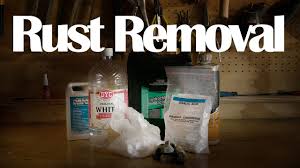
There are two main types of rust removal methods: chemical and natural.
Chemical rust removal involves using a cleaning agent that contains chemicals to break down the rust. Natural rust removal, on the other hand, uses items that you probably already have in your homes, such as vinegar or lemon juice.
Both methods can be effective at removing rust stains. However, natural methods are often gentler on countertops and may be less likely to damage the surface. Another solution to get rid of the rust is with baking soda and water. White vinegar also works well.
You must follow the best house cleaning and housekeeping tips from the experts.
Can You Use Vinegar to Remove Rust From a Countertop?
Vinegar is acidic and can help loosen certain rust deposits, but it isn’t appropriate for every countertop.
Do not automatically use vinegar simply because it’s a common DIY rust-removal method.
Acidic cleaners can damage some natural stone surfaces, particularly marble.
If you’re unsure whether vinegar is safe for your countertop, use a cleaner specifically formulated for the material instead.
Can Lemon Juice Remove Rust From a Countertop?
Lemon juice is also acidic.
Although it is sometimes recommended as a natural rust remover, it isn’t suitable for every countertop material.
Especially avoid using lemon juice on marble or other acid-sensitive surfaces unless the manufacturer confirms it’s safe.
Can Baking Soda Remove Rust From a Countertop?
Baking soda is commonly used for household cleaning, but it isn’t a universal solution for rust.
Because baking soda can act as a mild abrasive, aggressive scrubbing may dull or scratch some countertop finishes.
If you use baking soda, avoid applying excessive pressure and first confirm that it’s suitable for your countertop material.
For stubborn rust, a material-specific commercial rust remover can be a better option.
What Should You Avoid When Removing Rust?
Some of the methods commonly recommended online can actually damage a countertop.
Steel Wool
Steel wool can scratch many countertop materials and may leave metal particles behind.
Sandpaper
Sandpaper can permanently alter the finish of a countertop.
Wire Brushes
Wire brushes are too aggressive for most finished countertop surfaces.
Harsh Abrasive Sponges
Aggressive scrubbing pads can create scratches or dull areas.
Strong Acids
Strong acidic cleaners can damage acid-sensitive materials such as marble.
Unapproved Bleach Products
Bleach isn’t a universal rust remover and may damage some surfaces or finishes.
Mixing Cleaning Chemicals
Never mix cleaning products unless the manufacturer’s instructions specifically say the combination is safe.
remove rust stains from kitchen countertops:
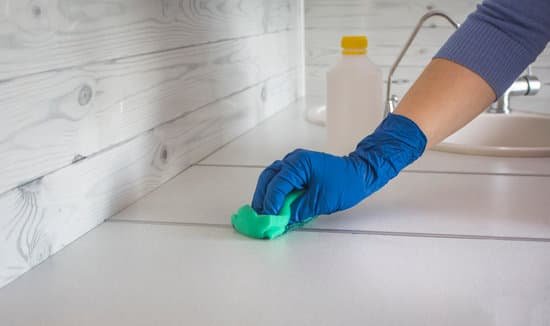
Chemical: Use a cleaning agent that contains chemicals to break down the rust.
Natural: Use items that you probably already have in your homes, such as vinegar or lemon juice.
Baking soda: Mix baking soda with water to form a paste and scrub away the stain.
Sandpaper: Gently sand away the rust stain with a fine-grit sandpaper.
Steel wool: Scrub away the rust with steel wool.
Abrasive sponge: Use an abrasive sponge to scrub away the rust.
Wire brush: Gently brush away the rust with a wire brush.
Hydrogen peroxide: Soak a cloth in hydrogen peroxide and apply it to the stain. Let it sit for a few minutes before wiping it away. You might have luck by making a poultice with hydrogen peroxide and talcum powder or borax, but that doesn’t always work. It’s best to avoid bleach altogether.
Can You Use Vinegar to Remove Rust From a Countertop?
Vinegar is acidic and can help loosen certain rust deposits, but it isn’t appropriate for every countertop.
Do not automatically use vinegar simply because it’s a common DIY rust-removal method.
Acidic cleaners can damage some natural stone surfaces, particularly marble.
If you’re unsure whether vinegar is safe for your countertop, use a cleaner specifically formulated for the material instead.
Can Lemon Juice Remove Rust From a Countertop?
Lemon juice is also acidic.
Although it is sometimes recommended as a natural rust remover, it isn’t suitable for every countertop material.
Especially avoid using lemon juice on marble or other acid-sensitive surfaces unless the manufacturer confirms it’s safe.
Can Baking Soda Remove Rust From a Countertop?
Baking soda is commonly used for household cleaning, but it isn’t a universal solution for rust.
Because baking soda can act as a mild abrasive, aggressive scrubbing may dull or scratch some countertop finishes.
If you use baking soda, avoid applying excessive pressure and first confirm that it’s suitable for your countertop material.
For stubborn rust, a material-specific commercial rust remover can be a better option.
What Should You Avoid When Removing Rust?
Some of the methods commonly recommended online can actually damage a countertop.
Steel Wool
Steel wool can scratch many countertop materials and may leave metal particles behind.
Sandpaper
Sandpaper can permanently alter the finish of a countertop.
Wire Brushes
Wire brushes are too aggressive for most finished countertop surfaces.
Harsh Abrasive Sponges
Aggressive scrubbing pads can create scratches or dull areas.
Strong Acids
Strong acidic cleaners can damage acid-sensitive materials such as marble.
Unapproved Bleach Products
Bleach isn’t a universal rust remover and may damage some surfaces or finishes.
Mixing Cleaning Chemicals
Never mix cleaning products unless the manufacturer’s instructions specifically say the combination is safe.
Frequently Asked Questions
What is the easiest way to remove rust from a countertop?
Start with mild dish soap and water. If the stain remains, use a rust-removal product that’s specifically labeled safe for your countertop material.
Can I use vinegar on a rust stain?
It depends on the countertop material. Vinegar can damage acid-sensitive surfaces such as marble, so check the manufacturer’s instructions first.
Can baking soda remove rust from a countertop?
Baking soda may help with some surface stains, but it isn’t suitable for every countertop. Avoid aggressive scrubbing.
How do I remove rust from a quartz countertop?
Start with mild soap and water. If the stain remains, use a product specifically labeled safe for quartz.
How do I remove rust from granite?
Start with gentle cleaning. For stubborn rust, use a product formulated for natural stone and confirm that it is safe for granite.
Can I use steel wool to remove rust?
It’s best to avoid steel wool because it can scratch many countertop surfaces.
Why does rust keep appearing on my countertop?
A recurring rust stain usually means the source hasn’t been removed. Check nearby cookware, racks, cans, appliances, and other metal objects.
Final Thoughts
Rust stains don’t have to ruin the appearance of your kitchen countertop.
The safest approach is to identify the countertop material, start with gentle cleaning, and use a material-specific rust remover when necessary.
Avoid aggressive tools such as steel wool, sandpaper, and wire brushes, and be particularly careful with acidic cleaners on natural stone.
Most importantly, find the source of the rust. Removing the rusty object and keeping the countertop dry can help prevent the stain from coming back.
At Home Kitchen World, our goal is to make everyday kitchen cleaning and organization simpler with practical, easy-to-follow guides.

Hello! I’m trying to explore more and provide my readers with more. Besides being a writer, I’ve also worked as an Editor and Proofreader.